Cultural contrasts in casino experiences around the world
The Origins of Casino Culture
The concept of casinos has deep historical roots that vary across cultures. In ancient civilizations, gambling served as both a pastime and a social activity. For instance, the Chinese played games with dice as early as 2000 BC, while ancient Romans used betting as a form of entertainment during their games and gladiatorial events. Understanding these origins provides insight into how different societies view gambling and the communal aspects that emerge from it. Many users also explore platforms like pikashow-in.net for entertainment options that complement their gaming experiences.

In many cultures, casinos are not just places to gamble; they are vibrant social hubs. In places like Monaco and Las Vegas, casinos are designed to be luxurious spaces where visitors can enjoy high-end dining and entertainment alongside gambling. This contrasts sharply with other cultures where gambling is often more discreet and integrated into local customs, such as in parts of Asia where gambling might occur in private homes or small, informal venues.
The varying histories of gambling and casinos have led to unique cultural expressions. In Japan, for example, pachinko parlors blend elements of slot machines with social interactions, while in Europe, traditional games such as roulette and baccarat are celebrated as part of a rich gaming heritage. Each of these environments fosters a different atmosphere, reflecting local attitudes toward risk-taking and leisure.
The Architectural Diversity of Casinos
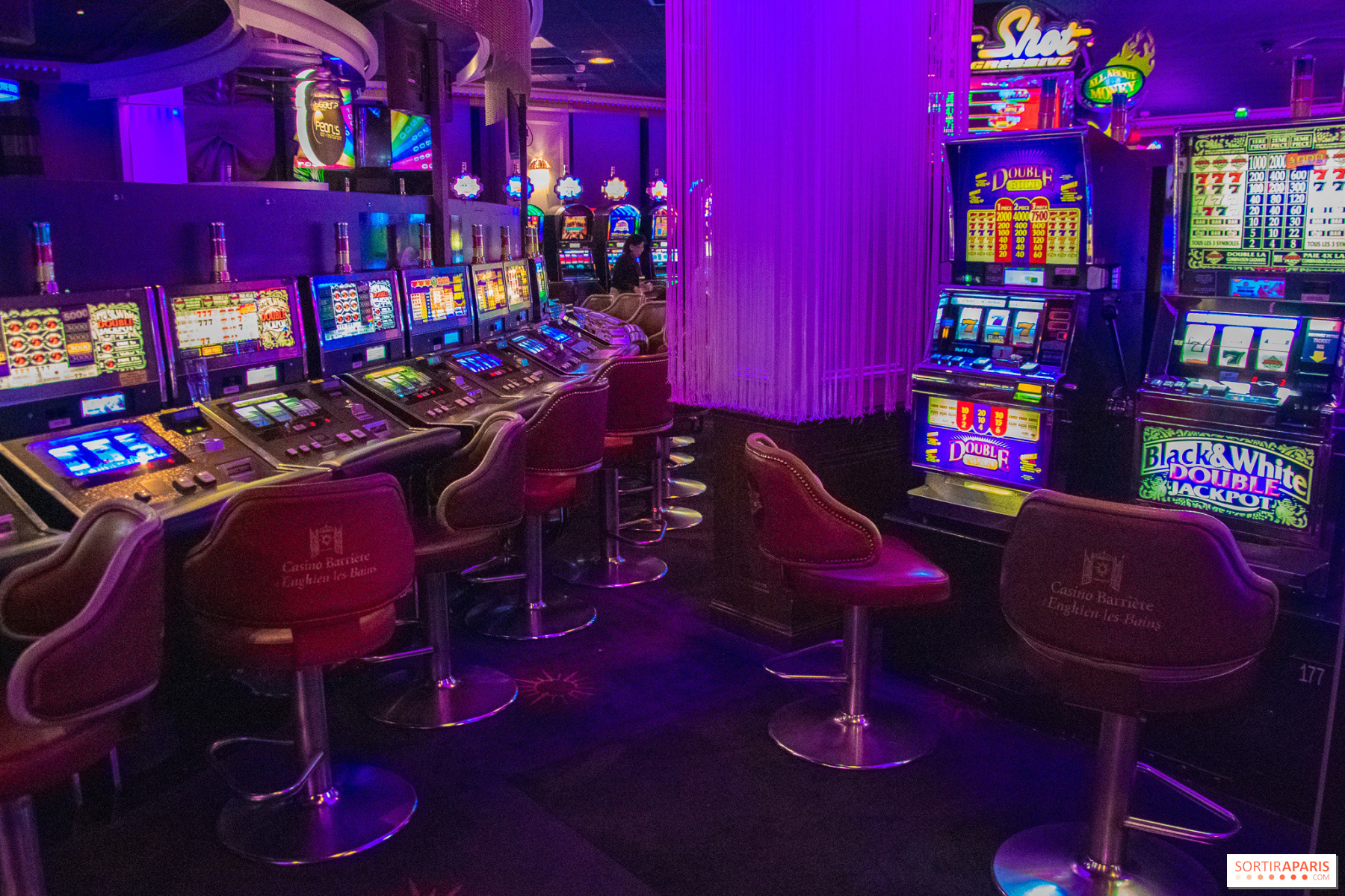
Architecture plays a crucial role in shaping the casino experience. In Las Vegas, casinos are designed to overwhelm the senses, featuring extravagant designs, neon lights, and a sprawling layout. The intention is to create an environment where players are captivated and less aware of time, encouraging them to stay longer. This distinctive approach to casino design emphasizes entertainment and spectacle, drawing visitors from all over the globe.
Conversely, many European casinos maintain a more subdued and elegant aesthetic. The Casino de Monte-Carlo, for example, reflects the grandeur of the Belle Époque era with its ornate architecture and opulent interiors. This architectural style speaks to the European tradition of sophistication, where gambling is seen as a refined activity, often enjoyed in a formal dress code that enhances the overall experience.
In Asia, casinos are often integrated into resorts, reflecting a different business model. The Marina Bay Sands in Singapore is a prime example, combining luxury accommodations, shopping, and entertainment all in one place. This multi-faceted approach caters to a broader audience, appealing not just to gamblers but to tourists seeking a comprehensive entertainment experience. Such architectural diversity underscores the cultural importance placed on casinos in different regions.
The Cultural Significance of Gambling Practices
The cultural significance of gambling varies widely, influencing how casinos operate. In the United States, casinos are often viewed as sites of entertainment and potential wealth. This belief is reinforced by the portrayal of gambling in films and media, which glamorizes high-stakes gambling and the lifestyle associated with it. Such perceptions contribute to a vibrant gambling culture characterized by large events, tournaments, and promotions designed to attract crowds.
In contrast, many Asian cultures approach gambling with a sense of caution and superstition. For instance, in countries like China, gambling is often tied to beliefs about luck and fortune, with certain numbers and symbols holding deep meaning. The Lunar New Year is particularly significant for gambling activities, as families come together to partake in games that symbolize prosperity and good fortune. This cultural lens shapes the types of games that are popular and how they are played.
Moreover, the social dynamics surrounding gambling can vary. In some cultures, like that of Las Vegas, gambling is an open and accessible form of entertainment, while in others, it may be cloaked in stigma or restricted by law. In countries such as Sweden, strict regulations govern gambling to ensure responsible gaming practices, reflecting societal values that prioritize public welfare over profit. These cultural nuances significantly influence the overall gambling experience at casinos.
Technological Advances and Their Impact
Advancements in technology have profoundly transformed the casino experience worldwide. Online casinos have emerged as a dominant force, allowing players to enjoy their favorite games from the comfort of their homes. This shift has broadened the reach of gambling, making it accessible to individuals who may not have easy access to traditional casinos. The convenience of mobile apps and online gaming platforms has redefined how people engage with gambling.
Furthermore, the integration of virtual reality (VR) and augmented reality (AR) in casinos has begun to create immersive experiences that transcend traditional gaming. For example, players can engage in realistic simulations that mimic the feeling of being in a physical casino, complete with social interactions and live dealers. This technological evolution is reflective of modern society’s increasing reliance on digital experiences, significantly reshaping cultural perceptions of gambling.
However, these advancements also raise questions about regulation and responsible gaming. Different countries are grappling with how to manage online gambling, balancing the potential for increased revenue against the risks of addiction and fraud. As technology continues to advance, it will be essential for regulators to adapt and ensure that players are protected, maintaining the integrity of the gambling experience across cultural contexts.
Conclusion: Cultural Reflections in Casino Experiences
The world of casinos is rich with cultural contrasts that shape how people experience gambling. From the architectural styles to the social customs surrounding gambling, each region offers a unique perspective that reflects its values and traditions. As globalization brings these experiences closer together, understanding these cultural nuances becomes increasingly important for both operators and players.
Moreover, as technology continues to evolve, the cultural landscape of casinos will undoubtedly change. The fusion of traditional practices with modern advancements presents exciting opportunities and challenges. As players navigate these diverse experiences, they contribute to an ongoing dialogue about the significance of gambling across different cultures, paving the way for future developments in the industry.